Brooklyn, New York has long been recognized for its vibrant and diverse music scene, serving as a cultural hub where artists, audiences, and neighborhoods intersect. While music is often discussed in terms of entertainment, creativity, and economic impact, it can also provide valuable insight into shifting community health priorities. The evolution of local music venues, festivals, and grassroots performances frequently mirrors broader social trends, including growing awareness of mental health, wellness, inclusivity, and quality of life. As communities change, the spaces that host music and the messages conveyed through artistic expression often reveal what matters most to residents. In recent years, Brooklyn’s music culture has increasingly embraced themes of self-care, emotional well-being, community connection, and healthy living, reflecting a broader movement toward holistic health within urban neighborhoods.
The Rise of Wellness-Oriented Cultural Spaces
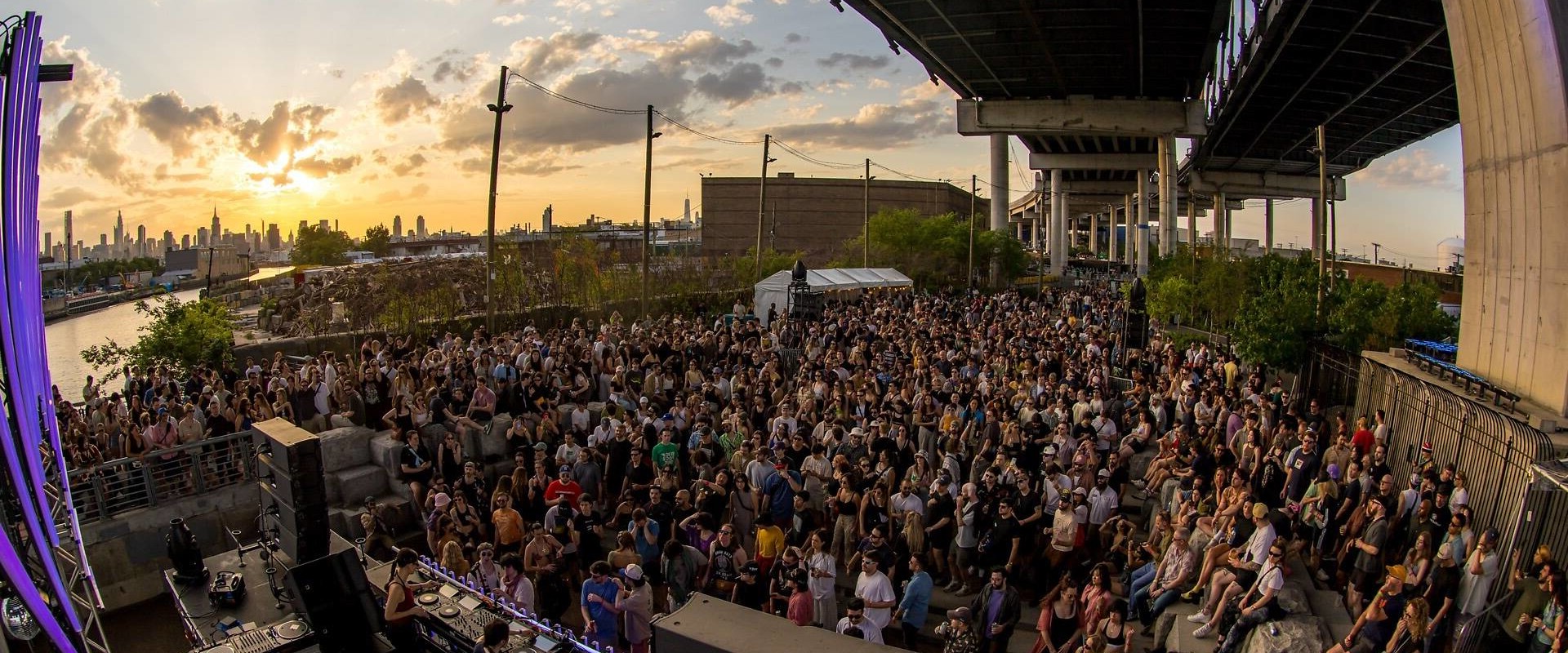
Many music venues throughout Brooklyn have transformed from simple entertainment destinations into community-centered gathering places. Event organizers increasingly prioritize accessibility, safer environments, and inclusive experiences that encourage social connection. Outdoor concerts, wellness festivals featuring live music, and neighborhood cultural events have become more common, creating opportunities for residents to engage with one another in positive and supportive settings. These events often promote physical activity through dancing, walking, and participation in community programs while simultaneously fostering emotional well-being through shared experiences. The growing popularity of these initiatives demonstrates how cultural activities can contribute to healthier lifestyles beyond traditional healthcare settings. Music has become a vehicle for bringing people together, reducing feelings of isolation, and strengthening neighborhood identity.
Mental Health Awareness Through Music
Another notable shift within Brooklyn's music scene is the increasing emphasis on mental health awareness. Artists frequently use their platforms to discuss emotional challenges, stress management, and personal growth, helping reduce stigma around mental health conversations. Community organizations and event planners have also begun incorporating wellness resources into music-related events, providing attendees with access to information about counseling, support groups, and preventive health services. These efforts reflect a broader understanding that community health extends beyond physical wellness. As residents seek healthier ways to cope with the demands of urban living, music continues to serve as an outlet for expression, connection, and resilience. This evolving relationship between music and wellness highlights how cultural institutions can play a meaningful role in supporting healthier communities.
A Broader View of Community Health
The changing nature of Brooklyn’s music scene illustrates how community health priorities have expanded over time. Residents are increasingly focused on creating environments that support both physical and emotional well-being, and cultural spaces are adapting accordingly. Local healthcare providers such as LocalMD Primary Care contribute to this broader wellness ecosystem by supporting preventive care and encouraging healthier lifestyles throughout the community. While music alone cannot address every public health challenge, it remains a powerful reflection of what communities value and aspire to achieve. As Brooklyn continues to evolve, its music culture will likely remain an important indicator of changing priorities, highlighting the growing connection between artistic expression, social engagement, and overall well-being. By recognizing these connections, community leaders and residents alike can better understand how cultural experiences contribute to healthier and more connected neighborhoods.